
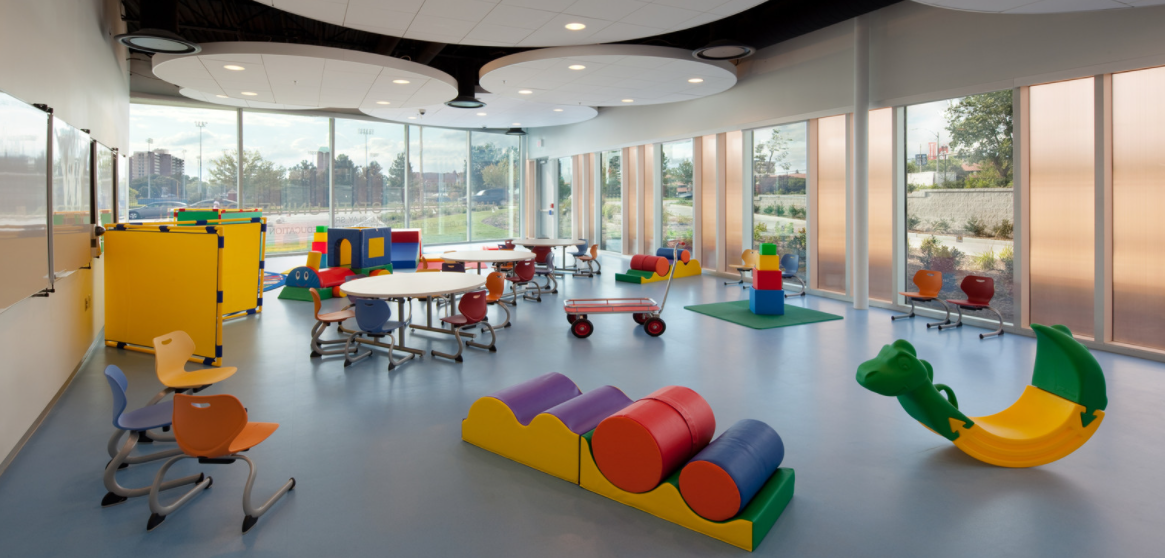

Looking for an early childhood center? Preschool begins at the age of three and concludes at the age of four. Two-year-olds are not included in this category due to the long-term universal character of “the dreadful two.” Most of the time, the two-year-old kid skips around the home shouting “no” to every request, making academic goals look unrealistic. As a result, experts recommend starting an early childhood center at the age of three. Some experts say that age four is the optimal age for preschool enrollment since age three is too close to two. Preschoolers, regardless of age, are eager to learn.
Learning In An Early Childhood Centers
When their children ask several questions, parents get frustrated. They complain that all their youngsters do question “why” and “why not,” or “how” and “what for.” Their youngsters, they claim, often disrupt the disciplinarian or explaining process with their repetitive queries. Most parents, irritated by these disruptions, would silence their children with severe punishment. Nonetheless, experts believe that answering these questions will result in more advanced academic learners. Answering your children’s queries aids in the development of their cognitive capacities as well as the development of analytical skills.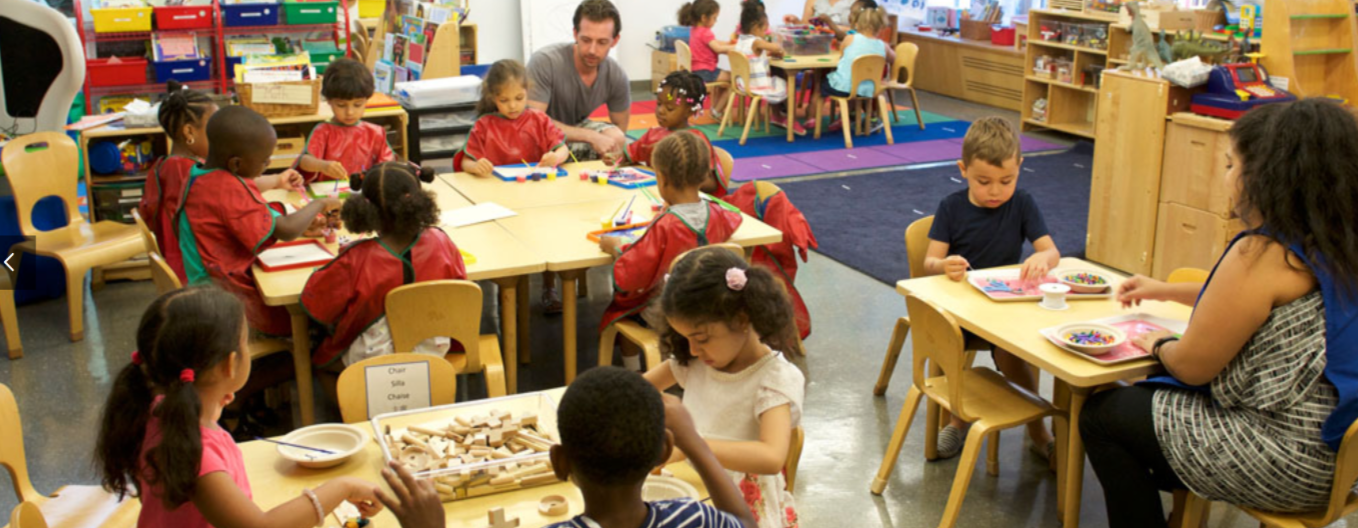
The early childhood center is naturally curious and likes exploring both inside and outside the house. It is critical to foster their inquisitiveness. As a result, parents should make an effort to establish an atmosphere in which their children may safely explore their surroundings. The library and the internet are two examples of helpful resources for parents. The early childcare centre explorers will need a lot of care, so parents should be prepared for a busy lifestyle.
Grooming Personality
Children’s personalities between the ages of three and four have an influence on how well they learn. When young children learn in the early childcare centre, their personality plays a significant effect on what they remember. Introverted children learn differently than extroverted children, and it is critical that parents recognize and accept these differences.
Games and interactive tools will help the youngster learn more effectively. The calmer youngster is engrossed in books, puzzles, coloring paper, and crayons.
Children are social individuals that like interacting with others, and this trait is very important for learning. Preschoolers in the early childhood center learn better when they engage with one another in the classroom. Some young children assist one another in learning by supporting and encouraging one another in the classroom. They assist one another’s mental development as pupils. For more information visit our website!